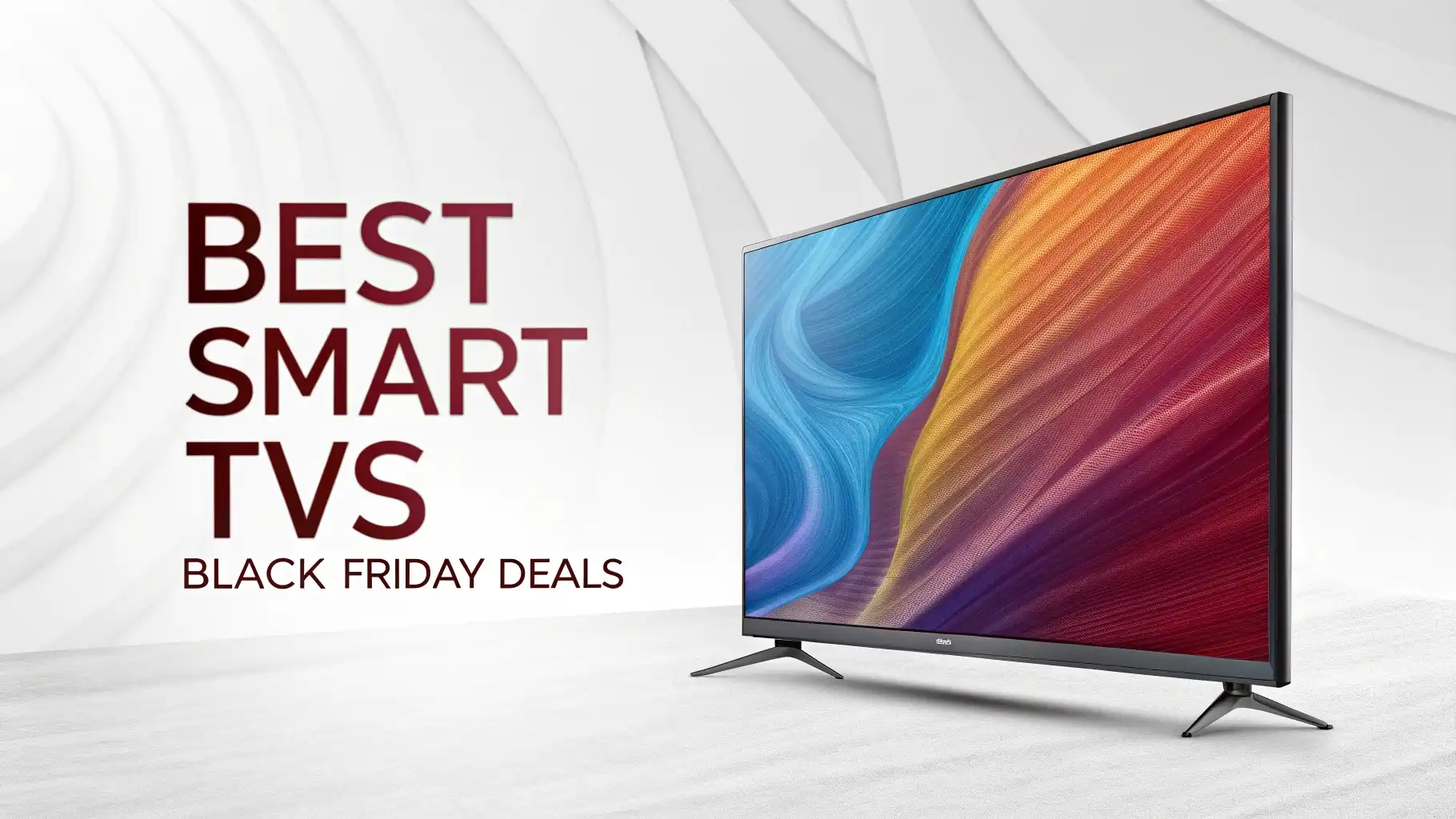
8 Best Smart TVs Black Friday Deals for Home Theater 2026
Black Friday 2026 brings amazing opportunities to upgrade your home theater setup. Smart TVs have become more affordable and feature rich than ever before.
You can now find incredible deals on OLED panels, mini LED technology, and advanced gaming features.
This year’s Black Friday sales offer discounts up to $1000 on premium models. Major brands like Samsung, LG, Sony, TCL, and Hisense are competing with their best prices.
Key Takeaways
- Premium OLED Technology gets massive discounts this Black Friday, with top models from Samsung and LG dropping hundreds of dollars below regular prices. These displays offer perfect blacks and infinite contrast ratios.
- Mini LED TVs provide excellent value for money, combining bright displays with local dimming zones that rival OLED performance. Brands like TCL and Hisense lead this category with affordable options.
- Gaming Features have become standard in 2026, with 120Hz refresh rates, VRR support, and HDMI 2.1 ports appearing even in budget models. Console gamers will find perfect matches for their PlayStation 5 or Xbox Series X.
- Smart TV Platforms like Google TV, Fire TV, and Roku OS come built into most models, eliminating the need for external streaming devices. Voice control through Alexa and Google Assistant makes navigation effortless.
- Screen Sizes from 43 inches to 85 inches are available at various price points, ensuring every room size gets the perfect fit. Bigger screens have become surprisingly affordable during Black Friday sales.
Samsung OLED S90F Series 55 Inch 4K Smart TV

The Samsung OLED S90F represents the pinnacle of display technology for 2026. This 55 inch masterpiece combines quantum dot technology with OLED panels for breathtaking color accuracy.
The NQ4 AI Gen3 Processor delivers intelligent upscaling that transforms regular content into near 4K quality. Samsung Vision AI automatically adjusts picture settings based on what you’re watching.
Motion Xcelerator 144Hz technology makes this TV perfect for both gaming and sports viewing. Fast action scenes appear smooth and blur free without any judder.
Pros:
- Perfect black levels with OLED technology
- 144Hz refresh rate ideal for gaming
- AI powered picture optimization
- Alexa voice control included
- Quantum dot color enhancement
Cons:
- Premium pricing even with Black Friday discount
- Risk of burn in with static content
- May be overkill for casual viewers
LG OLED evo C5 Series 65 Inch AI Smart TV

LG continues its OLED dominance with the C5 Series. This 65 inch television features the latest OLED evo technology with enhanced brightness levels. The AI Super Upscaling 4K engine analyzes content in real time to improve picture quality.
Dolby Vision and Dolby Atmos support create a true cinematic experience in your living room.
Filmmaker Mode preserves the director’s original vision by disabling motion smoothing and adjusting color temperature. The webOS smart platform provides access to all major streaming services.
Pros:
- Brighter OLED evo panels
- Excellent gaming features
- AI powered upscaling
- Four HDMI 2.1 ports
- Dolby Vision IQ support
Cons:
- Higher price than LCD alternatives
- webOS learning curve for some users
- Moderate peak brightness compared to mini LED
TCL QM6K Series 55 Inch Mini LED QLED TV

TCL delivers exceptional value with the QM6K Series. This mini LED television packs hundreds of local dimming zones for precise backlight control. QLED technology produces wide color gamut that rivals more expensive models. The 120Hz native refresh rate handles fast motion with ease.
Google TV platform provides intuitive navigation and personalized content recommendations. Voice Remote with Alexa built in offers hands free control of your entertainment. Onkyo Audio partnership brings premium sound quality without external speakers. The anti glare screen coating reduces reflections in bright rooms.
Pros:
- Affordable mini LED technology
- 120Hz refresh rate
- Google TV smart platform
- Onkyo audio system
- Excellent gaming performance
Cons:
- Viewing angles narrower than OLED
- Some blooming in high contrast scenes
- Remote lacks backlight
Hisense U8QG Series 55 Inch Mini LED ULED TV

Hisense pushes boundaries with the U8QG Series. This mini LED powerhouse delivers up to 5000 nits peak brightness, making it perfect for bright rooms. Native 165Hz refresh rate with VRR 288 support creates buttery smooth motion. IMAX Enhanced certification ensures movies appear exactly as filmmakers intended.
The 4.1.2 channel built in speaker system includes upward firing drivers for Dolby Atmos effects. You won’t need a soundbar to enjoy impressive audio. Quantum Dot technology covers 100% of the DCI P3 color space used in Hollywood productions. Google TV provides seamless access to thousands of apps.
Pros:
- Exceptional 5000 nits brightness
- 165Hz native refresh rate
- Built in 4.1.2 speaker system
- IMAX Enhanced support
- Excellent HDR performance
Cons:
- Aggressive auto brightness in some modes
- Interface can lag occasionally
- Large size may overwhelm small rooms
Sony BRAVIA 2 Series 55 Inch 4K LED Smart TV

Sony brings reliability and picture quality with the BRAVIA 2 Series. This LED television features exclusive PlayStation 5 integration for seamless gaming.
Auto HDR Tone Mapping and Auto Genre Picture Mode optimize settings automatically. Google TV platform offers personalized recommendations based on your viewing habits.
The X1 processor enhances every pixel with advanced noise reduction and upscaling algorithms. Triluminos Pro technology reproduces colors with natural accuracy.
Pros:
- PlayStation 5 optimized features
- Reliable Sony build quality
- Google TV smart platform
- Natural color reproduction
- Apple AirPlay 2 support
Cons:
- LED technology lacks OLED depth
- Limited local dimming zones
- Higher price than competing LED models
Samsung QLED Q7F Series 55 Inch Smart TV

Samsung’s QLED Q7F Series offers premium features at a mid range price point. Quantum HDR technology analyzes each scene to deliver optimal contrast and color.
Object Tracking Sound Lite follows action across the screen with directional audio. The Q4 AI Gen1 Processor handles 4K upscaling with impressive results.
Samsung Vision AI adjusts picture quality based on ambient lighting conditions. Gaming Hub consolidates your favorite cloud gaming services in one place.
Pros:
- Quantum dot color technology
- Gaming Hub for cloud gaming
- SolarCell eco friendly remote
- Samsung Vision AI optimization
- Affordable QLED option
Cons:
- Edge lighting causes uniformity issues
- Not as bright as mini LED models
- Limited viewing angles
Amazon Fire TV Omni QLED Series 43 Inch 4K TV

Amazon enters the premium TV market with the Omni QLED Series. This 43 inch display packs quantum dot technology at an accessible price.
Dolby Vision IQ adapts HDR performance to your room’s lighting. Fire TV Ambient Experience turns your screen into a smart display showing photos, calendars, and weather.
Hands free Alexa integration means you never need to find the remote. Just speak naturally to change channels, adjust volume, or search for content.
Pros:
- Hands free Alexa control
- Affordable QLED technology
- Fire TV Ambient Experience
- Dolby Vision IQ support
- Echo device integration
Cons:
- 43 inch size limits immersion
- Fire TV interface can feel cluttered
- Average sound quality
Hisense E6QF Series 50 Inch QLED Fire TV

Hisense combines affordability with quality in the E6QF Series. This 50 inch QLED television delivers Cinema Series picture quality at a fraction of premium prices. AI Light Sensor automatically adjusts brightness based on ambient conditions. Motion Rate 120 technology reduces blur during fast action sequences.
Fire TV platform built in provides access to thousands of streaming apps. Voice Remote with Alexa enables hands free control of your entertainment. Game Mode Plus optimizes input lag and motion handling for console gaming. HDR10 Plus Adaptive adjusts tone mapping frame by frame.
Pros:
- Exceptional value for money
- QLED at budget price
- AI Light Sensor
- Game Mode Plus
- Fire TV built in
Cons:
- Limited peak brightness
- Basic remote design
- Narrow color gamut compared to premium QLEDs
OLED vs Mini LED Technology Comparison
OLED displays produce light at the pixel level. Each pixel can turn completely off for perfect black levels. Infinite contrast ratios create stunning depth and dimensionality. Colors appear vibrant with excellent viewing angles.
Mini LED uses thousands of tiny backlights with local dimming zones. These TVs achieve much higher peak brightness than OLED. HDR highlights pop with impressive intensity. Mini LED costs less than OLED while delivering comparable performance.
Both technologies have strengths and weaknesses. OLED excels in dark rooms with varied content. Mini LED shines in bright environments and for HDR content. Your viewing habits and room conditions should guide your decision.
Essential Gaming Features for 2026
Modern gaming consoles demand specific TV features. HDMI 2.1 ports support 4K at 120Hz for smooth gameplay. Variable Refresh Rate eliminates screen tearing during fast action. Auto Low Latency Mode switches to game settings automatically.
Input lag under 20 milliseconds feels responsive for competitive gaming. Some TVs offer dedicated game modes with customizable picture settings. FreeSync and G Sync compatibility helps PC gamers achieve tear free performance.
The PlayStation 5 and Xbox Series X take full advantage of these features. Next generation games look stunning on compatible displays. Cloud gaming services like Xbox Game Pass and GeForce Now benefit from low latency connections.
Smart TV Platform Differences Explained
Google TV organizes content from multiple streaming services. The interface learns your preferences over time. Voice search works incredibly well with natural language queries. Chromecast built in enables easy content sharing from mobile devices.
Fire TV integrates deeply with Amazon’s ecosystem. Prime Video gets prominent placement in the interface. Alexa voice control handles smart home automation. The platform feels more advertising heavy than alternatives.
Roku OS offers the simplest, most neutral interface. No preference given to specific streaming services. The universal search finds content across all your subscribed apps. Channel selection exceeds other platforms with thousands of options.
Understanding HDR Technology Benefits
High Dynamic Range expands contrast and color capabilities. Standard Dynamic Range TVs display limited brightness ranges. HDR content reveals details in shadows and highlights simultaneously. The difference becomes immediately apparent when watching supported content.
HDR10 serves as the baseline format with static metadata. HDR10 Plus adds dynamic metadata that adjusts scene by scene. Dolby Vision uses 12 bit color and sophisticated processing algorithms. All three formats deliver noticeable improvements over SDR.
Your TV needs sufficient peak brightness to showcase HDR properly. Budget models may support HDR formats without adequate brightness levels. Look for TVs with at least 1000 nits peak brightness for satisfying HDR performance.
Installation and Setup Tips
Wall mounting saves floor space and creates a clean aesthetic. Ensure your wall can support the TV’s weight safely. Hire professionals if you’re uncomfortable with drilling into walls. Cable management keeps wires hidden for a polished appearance.
Calibration improves picture quality beyond factory settings. Most TVs ship with overly bright, oversaturated picture modes. Switch to Filmmaker Mode or Cinema Mode for more accurate colors. Disable motion smoothing unless you specifically prefer that look.
Sound quality often disappoints compared to picture quality. Built in speakers struggle to fill large rooms. Consider adding a soundbar or home theater system. Even budget soundbars dramatically improve dialogue clarity and bass response.
Frequently Asked Questions
When do Black Friday TV deals start in 2026?
Early Black Friday deals began appearing in late October 2026. Major retailers like Amazon, Best Buy, and Walmart released preview sales throughout November. The biggest discounts typically arrive during Thanksgiving week. Cyber Monday extends the savings for another few days. You should start monitoring prices now to identify genuine deals versus regular pricing.
Are Black Friday TV prices really the lowest of the year?
Black Friday consistently offers the steepest discounts on televisions. Retailers clear inventory to make room for new models. Prices on specific models can drop 30 to 50 percent below regular pricing. Some exceptions occur during Super Bowl season and Prime Day. However, selection and availability peak during Black Friday week.
Should I buy an OLED or mini LED TV for my home theater?
OLED excels in dark room viewing with perfect blacks and infinite contrast. Mini LED provides brighter images for well lit rooms at lower prices. Consider your primary viewing environment and budget. OLED costs more but delivers unmatched picture quality for movies. Mini LED offers excellent value with impressive HDR performance.
What screen size should I choose for my living room?
Measure your viewing distance from the couch to where the TV will sit. Divide that distance in inches by 1.5 to find your ideal screen size. A 65 inch TV works perfectly from 8 feet away. Bigger screens create more immersive experiences for movies and gaming. Don’t worry about going too large with 4K resolution.
Do I need a soundbar with my new smart TV?
Most smart TVs have disappointing built in speakers despite thin profiles. Even budget soundbars dramatically improve audio quality and dialogue clarity. Home theater enthusiasts should invest in proper surround sound systems. The Hisense U8QG includes impressive built in speakers as an exception. Consider your audio expectations and budget when deciding.
Can these smart TVs replace cable boxes and streaming devices?
Modern smart TVs include all major streaming apps built in. Fire TV, Google TV, and Roku platforms eliminate external streaming devices. You can access Netflix, Disney Plus, Hulu, and thousands more apps. Live TV options exist through services like YouTube TV and Sling. Cable boxes become unnecessary unless you have specific channel requirements.
How long do these smart TVs typically last?
Quality smart TVs last 7 to 10 years with proper care. OLED panels may experience gradual brightness decline over time. LED and mini LED TVs maintain picture quality longer. Software updates can slow down older models eventually. Most manufacturers offer warranties covering defects for one to two years.