Dreo Reverse Osmosis Water Filter Review: The Ultimate Guide
Getting clean drinking water should not feel like rocket science. You turn on your tap and wonder what comes out with your water. Chlorine, lead, microplastics, and other stuff you cannot even pronounce.
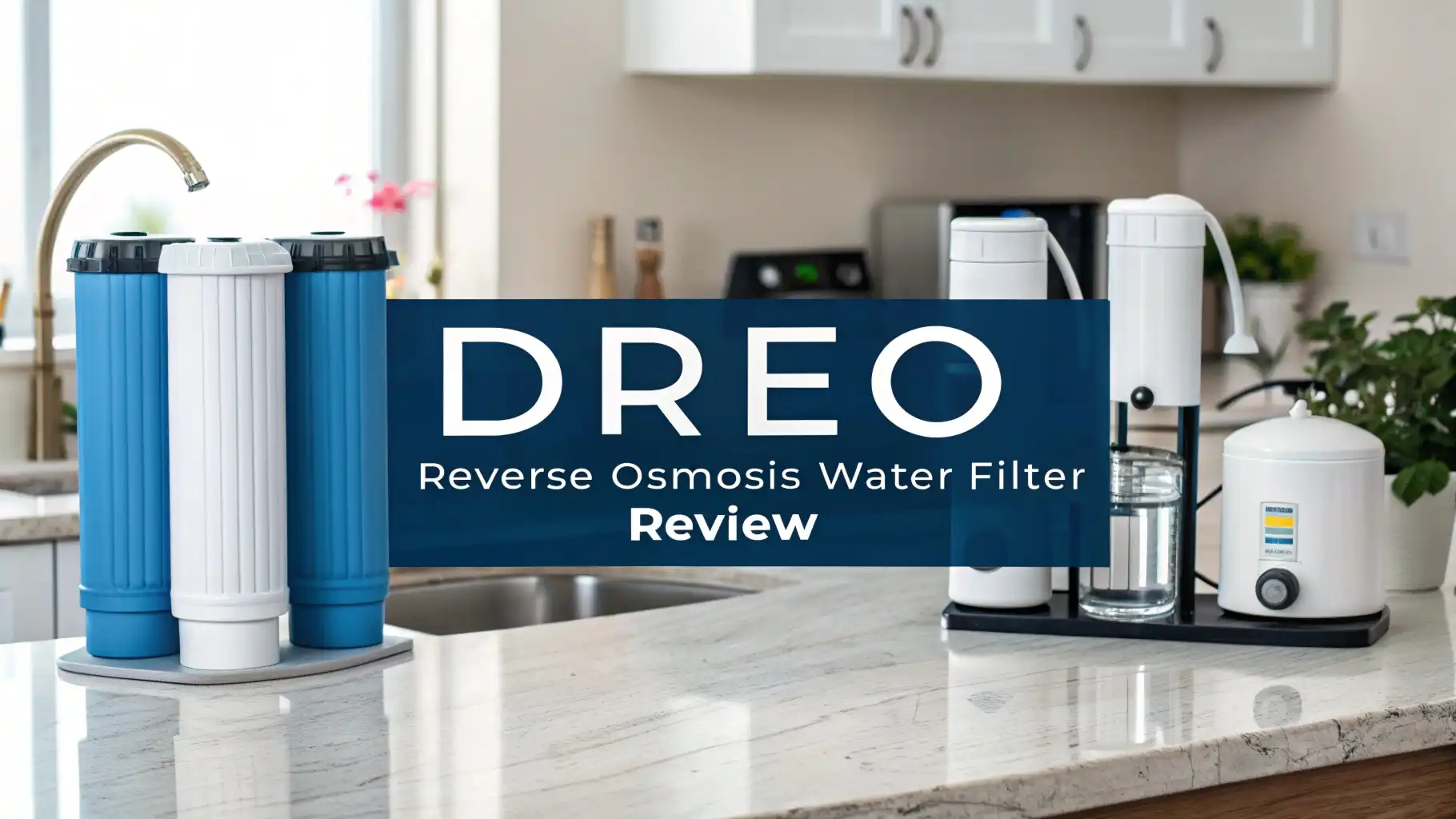
The Dreo Reverse Osmosis Water Filter promises to change how you drink water at home. This countertop system sits on your kitchen counter and delivers purified water without drilling holes in your cabinets.
This review covers everything you need to know about the Dreo RO water filter. We will look at real features, actual performance, honest pros and cons, and better alternatives available on Amazon right now.
Key Takeaways
- Pure Water Without Drilling: The Dreo countertop RO system requires zero installation. You simply place it on your counter, fill the tank, and get purified water within minutes. No tools, no plumbers, no cabinet modifications needed.
- Seven Stages of Filtration: This system uses a 7-stage filtration process that removes up to 99% of contaminants including chlorine, heavy metals, TDS, bacteria, and other harmful substances. Each stage targets specific impurities for maximum purification.
- Better Water Efficiency: Unlike older RO systems that waste 4 to 5 gallons for every gallon of pure water, the Dreo system achieves a 3:1 pure to drain ratio. This means less water waste and lower bills every month.
- Smart and Convenient Design: The upgraded WF511 model features an intuitive display, easy filter replacement indicators, and a compact footprint that fits most kitchen counters without taking up too much space.
- Cost Effective Long Term: With replacement filters lasting 6 months to 2 years depending on the stage, the annual maintenance costs remain reasonable compared to buying bottled water or dealing with under sink system repairs.
- Amazon’s Choice Product: With a 4.4 star rating from over 163 verified reviews, real users confirm this system delivers on its promises for daily home use.
Dreo Reverse Osmosis Water Filter Countertop WF511

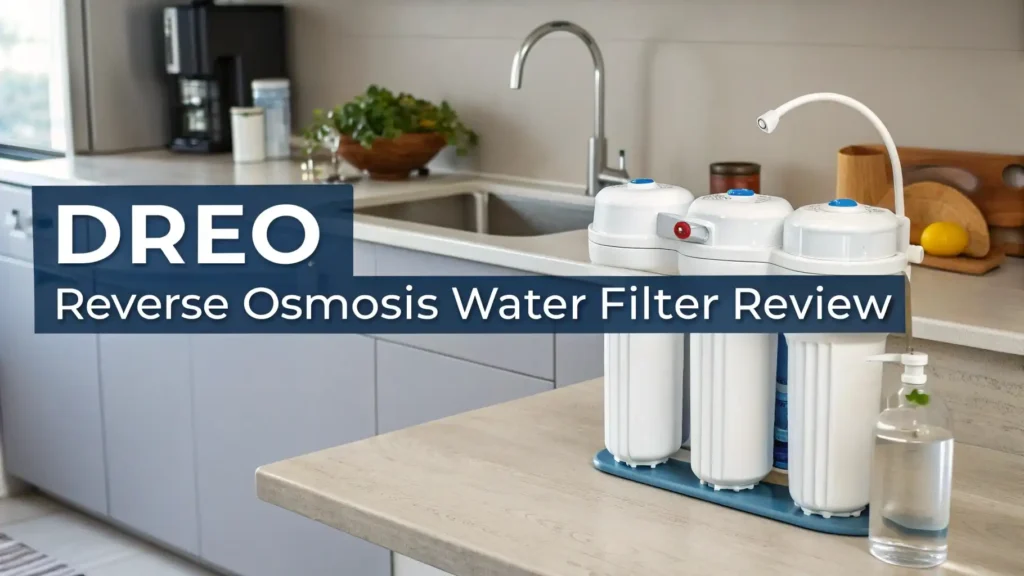
The Dreo WF511 represents a new generation of water filtration systems. This countertop unit breaks away from traditional under sink models that require professional installation. You get the same powerful reverse osmosis technology in a portable, user friendly package.
The system measures compact enough to fit on most kitchen counters. The sleek white design looks modern and clean. It does not stick out like an eyesore in your kitchen. The upgraded version comes with improved filtration cartridges and better efficiency ratings than the original model.
How the 7 Stage Filtration Process Works
Understanding what happens to your water matters. The Dreo system does not just filter water once and call it done. It puts your water through seven separate purification stages to ensure maximum cleanliness.
Stage one uses a PPC (Polypropylene Cotton) filter that catches large particles. Sediment, rust, dirt, and other visible contaminants get trapped here. This stage protects the more delicate filters downstream from clogging too quickly.
Stage two brings in the actual RO membrane. This thin film composite membrane works like an extremely fine net. Water molecules squeeze through tiny pores while contaminants cannot pass. Heavy metals like lead and mercury get blocked. Chlorine and chloramines stay behind. Dissolved solids drop dramatically.
The middle stages include activated carbon filters. These remove chemical contaminants that affect taste and smell. Your water loses that swimming pool chlorine taste. Chemical odors disappear. The water starts tasting like pure H2O should taste.
Later stages include post carbon filtration. This final polishing step removes any remaining odors or tastes. Some models add remineralization at this point to put beneficial minerals back into the water. The result tastes crisp, clean, and refreshing.
Installation Free Setup That Anyone Can Do
Traditional RO systems create headaches before you even get clean water. You need to clear out under sink space. You drill holes through countertops or cabinets. You connect to cold water lines. You install drain lines. Most people pay $200 to $400 just for professional installation.
The Dreo countertop system eliminates all that hassle. The setup process takes about five minutes total. You unbox the unit, place it on your counter, and plug it into a standard electrical outlet. That covers the hard part.
You fill the top reservoir tank with tap water. The system pulls water from this tank, filters it through all seven stages, and dispenses pure water from the front spout. The waste water collects in a separate container that you empty periodically.
Top 3 Alternatives for Dreo Reverse Osmosis Water Filter


Water Efficiency and Pure to Drain Ratio
Older RO systems earned a bad reputation for wasting water. Some systems wasted 4 or even 5 gallons down the drain for every single gallon of pure water produced. That waste adds up fast on your water bill. It also feels wrong environmentally to dump that much water.
The Dreo system achieves a 3:1 ratio. For every 3 gallons of pure water you get, only 1 gallon goes to waste. This represents a significant improvement over older technology. You still have some waste water because that is how reverse osmosis works physically. But you waste much less than before.
That waste water does not actually go directly down your drain either. The system collects it in a waste water container. You can use this water for plants, cleaning, or other non-drinking purposes. The water contains concentrated minerals and contaminants but it works fine for many household tasks.
Filter Replacement Schedule and Costs
Every water filtration system needs filter replacements eventually. The cartridges inside get saturated with contaminants. Performance drops. Water quality decreases. Understanding the replacement schedule helps you budget properly for ongoing costs.
The first stage PPC filter lasts approximately one year. This filter costs around $40 to replace. You remove the old cartridge and snap in a new one. No tools needed. The system alerts you when replacement time approaches.
The second stage RO membrane represents the most expensive component. This crucial filter lasts about two years with normal use. Replacement costs run approximately $47. The longer lifespan means you replace it less frequently. The higher upfront cost spreads out over 24 months.
The third stage post carbon filter needs replacement every six months. At roughly $20 per cartridge, this represents the most frequent maintenance expense. The shorter lifespan makes sense because this filter provides final polishing. It handles any breakthrough from earlier stages.
Real User Experience and Performance
Numbers and specifications only tell part of the story. Real user experiences reveal how the system actually performs in daily life. The Dreo RO system has over 160 verified reviews on Amazon with a solid 4.4 star rating.
Users consistently praise the ease of setup. Many reviews mention having the system running within 10 minutes of opening the box. The installation free design resonates with people who dreaded dealing with under sink installations. Renters specifically appreciate being able to get RO water without permanent modifications.
The water taste gets high marks across most reviews. People notice the difference immediately compared to tap water. That chlorine taste disappears. Water tastes cleaner and fresher. Some users mention it tastes as good or better than bottled water they previously bought.
TDS reduction performance meets expectations. Users report starting TDS levels of 200 to 400 PPM dropping down to 10 to 20 PPM after filtration. That represents over 95% reduction in total dissolved solids. The system clearly removes what it claims to remove.
Some complaints appear in reviews too. The waste water container requires frequent emptying for heavy users. Families drinking several gallons per day find themselves emptying it multiple times. The container size creates this limitation. Some users wish it connected to a drain line option.
Comparing Countertop vs Under Sink RO Systems
Choosing between countertop and under sink systems depends on your specific situation. Each design offers distinct advantages and drawbacks. Understanding these differences helps you pick the right option.
Countertop systems like the Dreo shine for portability and ease of use. You set them up in minutes. You move them easily. You take them with you if you relocate. Renters especially benefit because no permanent installation means no lease violations or security deposit risks.
The main countertop drawback involves counter space. The unit sits on your kitchen counter taking up room. Smaller kitchens may struggle to accommodate it. You also need to refill the reservoir and empty the waste container regularly. This adds a maintenance step compared to plumbed systems.
Under sink systems hide away completely. Your counter stays clear. They connect directly to your cold water line for continuous operation. You never refill a reservoir. They typically include larger storage tanks for instant access to filtered water.
Health Benefits of Reverse Osmosis Water
Clean water affects your health more than most people realize. The contaminants in tap water accumulate over years of consumption. Removing these substances provides real health benefits for your entire family.
Heavy metal removal ranks among the top benefits. Lead, mercury, arsenic, and chromium all get blocked by RO membranes. These metals cause serious health problems with long term exposure. Lead especially harms children’s development. Getting these metals out of drinking water prevents accumulation in your body.
Bacteria and virus protection matters too. The tiny pores in RO membranes block most microorganisms. While municipal water treatment should kill bacteria, breakthrough events happen. Aging pipes introduce contamination between the treatment plant and your tap. The RO system provides an extra safety layer.
Maintenance and Cleaning Requirements
Proper maintenance keeps your RO system working efficiently for years. The good news is maintenance requirements stay minimal with the Dreo system. You do not need constant attention or complicated procedures.
Regular filter changes represent the main maintenance task. We covered the schedule earlier. Following the replacement timeline ensures consistent performance. Waiting too long allows contaminants to break through. The system alerts you when changes are needed.
Cleaning the reservoirs should happen monthly. The top water tank needs a rinse to prevent any buildup. The waste water container needs emptying regularly and occasional cleaning. Both tasks take just a few minutes with soap and water.
Exterior cleaning stays simple. Wipe down the unit with a damp cloth. Keep the display and buttons clean. The white exterior shows dirt easily but cleans up quickly. Avoid harsh chemicals that might damage the plastic housing.
Cost Analysis and Long Term Value
Understanding total costs helps you make smart decisions. The Dreo RO system costs more upfront than pitcher filters. But it delivers better filtration and lower long term costs than many alternatives.
The initial purchase runs between $360 to $400 depending on sales and model variations. That seems expensive compared to $30 pitcher filters. But pitcher filters work slower, filter less effectively, and need replacement cartridges frequently.
Filter replacement costs total roughly $100 to $120 annually as we covered earlier. That breaks down to about $10 per month or 33 cents per day. A family buying bottled water spends $50 to $100 monthly. The RO system pays for itself in 4 to 8 months for typical families.
Electricity costs stay minimal. The pump uses very little power. Most estimates suggest $2 to $3 per month in added electricity. This small amount barely registers on your electric bill.
Water costs actually increase slightly due to waste water. The 3:1 ratio means you use more tap water to produce drinking water. But water itself costs very little. The added water expense runs maybe $5 to $10 per month depending on local rates.
Common Issues and Troubleshooting
No product works perfectly 100% of the time. Understanding common issues and solutions helps you handle minor problems without frustration.
Slow water flow tops the complaint list. If water trickles slowly, check the reservoir level first. An empty tank cannot feed the system. Next check if filters need replacement. Clogged filters restrict flow dramatically. Finally verify the pump runs properly. You should hear it working during filtration.
High TDS in filtered water suggests filter problems. The RO membrane may need replacement even if the timer says otherwise. Hard water or high sediment levels shorten membrane life. Test your source water TDS. If it measures extremely high, the system works harder and filters wear faster.
Leaking water requires immediate attention. Check all connections first. The reservoir and waste container seals need proper seating. Cartridge installations must twist completely into place. Most leaks come from improper assembly rather than defects.
Environmental Impact and Sustainability
Water filtration choices affect more than just your health. They impact the environment through plastic waste, energy use, and water consumption.
Bottled water creates massive environmental problems. Americans buy 50 billion plastic bottles annually. Only 30% get recycled. The rest end up in landfills or oceans where they take 450 years to decompose. Manufacturing bottles consumes oil and releases carbon emissions.
Pitcher filters reduce bottle waste but cartridges still go to landfills. Each cartridge contains plastics and carbon materials that do not biodegrade. Heavy pitcher filter users throw away 12 to 24 cartridges yearly.
The Dreo RO system minimizes waste significantly. Filter cartridges last 6 months to 2 years. You throw away 2 to 3 filters annually instead of dozens of bottles or pitcher cartridges. The longer lifespan means less frequent manufacturing and shipping of replacements.
Frequently Asked Questions
How long does the Dreo reverse osmosis filter last before needing replacement?
The Dreo system uses three main filter cartridges with different lifespans. The first stage PPC filter lasts approximately one year. The second stage RO membrane lasts about two years. The third stage post carbon filter needs replacement every six months. The system includes indicators that alert you when each filter reaches end of life. Following these replacement schedules ensures consistent water quality.
Can I use the Dreo RO system with well water?
Yes, the system works with well water. However, well water often contains higher sediment and mineral levels than municipal water. This may shorten filter life, especially the first stage sediment filter and the RO membrane. Testing your well water first helps predict maintenance needs. You might need more frequent filter changes with high sediment well water. A pre-filter can extend cartridge life if your well water contains excessive sediment.
Does reverse osmosis remove beneficial minerals from water?
RO filtration removes most dissolved substances including beneficial minerals like calcium and magnesium. This makes the water very pure but also removes minerals that contribute to health and taste. You can get these minerals from food sources. Some people prefer remineralization filters that add beneficial minerals back after RO filtration. The Dreo system focuses on purification, leaving remineralization choices to the user through diet or separate supplements.
How much counter space does the Dreo water filter require?
The Dreo WF511 measures compact enough for most kitchen counters. It takes up roughly the same space as a large coffee maker. The exact footprint depends on the specific model but generally requires about 12 to 15 inches of counter width and similar depth. The height reaches approximately 15 to 18 inches. Check your available counter space before purchasing. The unit needs to sit on a flat, stable surface near an electrical outlet.
Is the filtered water safe for baby formula?
RO filtered water works well for baby formula preparation. The system removes contaminants that concern parents like lead, chlorine, bacteria, and other impurities. However, because RO removes all minerals, some pediatricians recommend using water with trace minerals for formula. You can consult your pediatrician about whether to add mineral drops to RO water for formula. The pure water itself poses no safety concerns for babies.
What happens if I forget to change the filters on time?
The system includes reminder alerts for filter changes. If you ignore these and continue using old filters, performance gradually decreases. TDS levels in your filtered water will rise as the membrane becomes less effective. Water flow may slow as filters clog. Bacteria can potentially grow on saturated filters. The system will not break, but water quality suffers. Following the replacement schedule maintains optimal performance and safety.
Can I take the Dreo system with me when traveling in an RV?
The countertop design makes the Dreo system perfect for RV use. It requires only an electrical outlet and tap water source. You can fill the reservoir from any safe water source. The compact size fits RV kitchens. The lack of permanent installation means you easily secure it while driving. Many RV owners specifically choose countertop RO systems for this portability. Just ensure proper securing during travel to prevent damage from vibration and movement.
How loud is the system during operation?
The Dreo RO system operates quietly compared to many water filtration devices. Users describe the sound as a soft hum similar to a refrigerator compressor. The pump creates some noise during active filtration but nothing disruptive. You can run it while watching television, working, or sleeping without significant disturbance. The noise level stays well below noisy appliances like blenders or vacuum cleaners. Most people stop noticing the sound after a few days of use.