LabCharge Small Ionic Air Purifier Review: Is This Worth Your Money?
Breathing clean air should be easy. You spend hours in your bedroom and home every day. Dust floats around you. Pet hair lands on furniture. Smoke from cooking lingers.
Your nose feels stuffy. You want fresh air without loud machines or expensive filters. The LabCharge Small Ionic Air Purifier promises to solve these problems with silent operation and no filter costs.
But does this tiny device really clean your air, or is it just another gadget collecting dust? This review explores every detail you need to know before buying.
Key Takeaways:
- Silent Operation: The LabCharge runs on less than 1 watt of power. You cannot hear it working. It sits quietly on your desk or nightstand without disturbing sleep or work.
- Filter-Free Technology: This purifier uses ionic technology instead of traditional filters. You never buy replacement filters. The device releases negative ions that attach to dust particles and pull them from the air.
- Compact Size: The small plug-in design saves space. You can use it in bedrooms, offices, dorm rooms, or small apartments. It covers up to 250 square feet of space.
- Affordable Price Point: You can buy single units or multi-packs. The 2-pack costs around $90, making each unit about $45. The 5-pack offers better value for multiple rooms.
- Mixed Customer Reviews: With a 4.0 rating from 296 reviews, some customers love the quiet operation while others question the actual cleaning power compared to traditional HEPA purifiers.

What Is the LabCharge Small Ionic Air Purifier
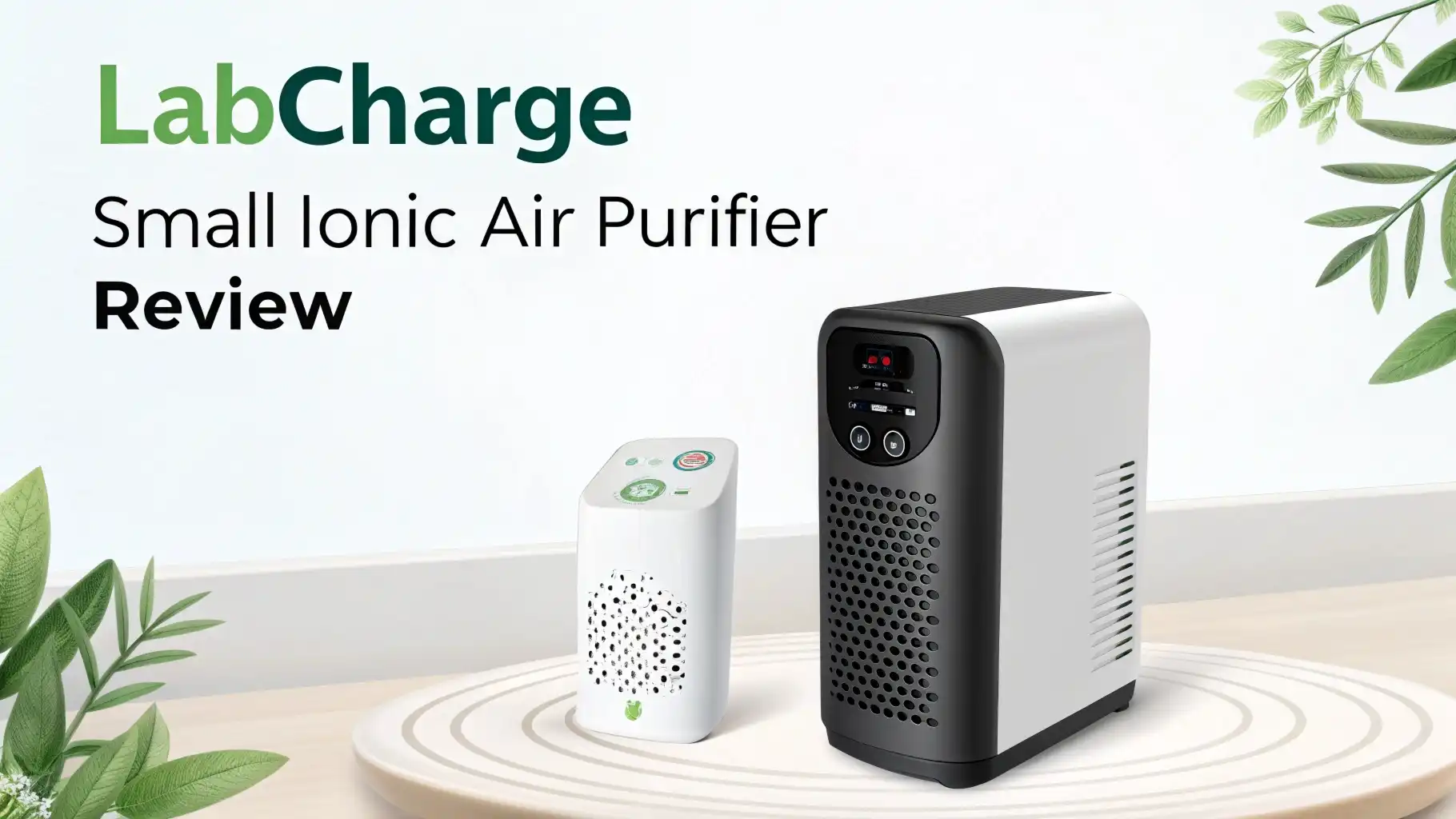
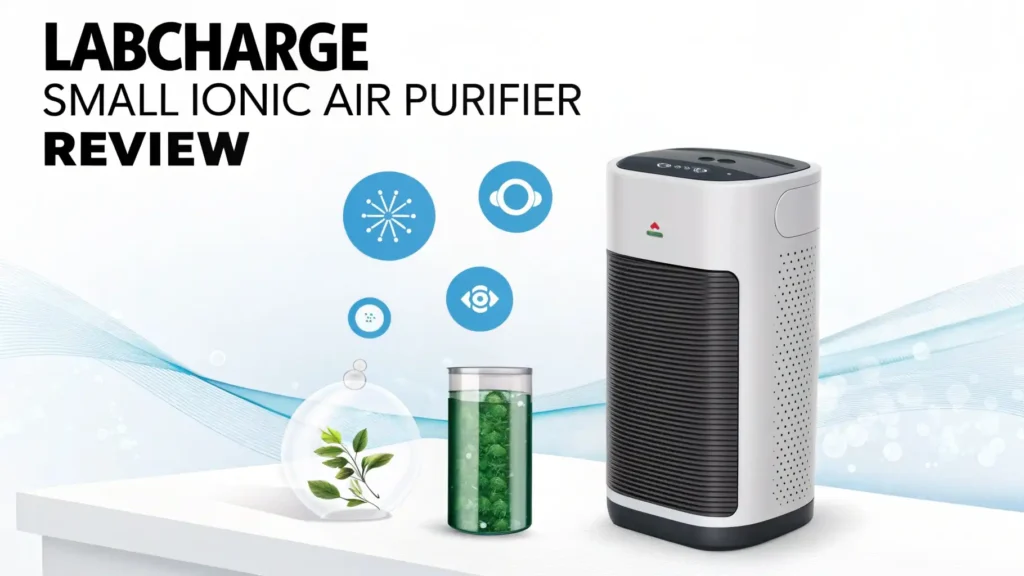
The LabCharge Small Ionic Air Purifier represents a different approach to air cleaning. Traditional purifiers pull air through physical filters. This device releases negatively charged ions into your room.
These ions attach themselves to positively charged particles like dust, pollen, pet dander, and smoke. The combined weight makes particles fall to surfaces instead of floating in the air you breathe.
The compact black design measures just a few inches tall. You plug it directly into wall outlets. No cords clutter your space. The simple setup takes seconds.
You plug it in, and it starts working immediately. No buttons to press or settings to adjust. The minimalist design fits any room decor without drawing attention.
How Ionic Air Purification Actually Works
Ionic purifiers create negative ions through a process called corona discharge. These ions spread throughout your room.
When they contact airborne particles, they transfer their electrical charge. Particles become negatively charged and attract to positively charged surfaces like walls, floors, and furniture.
The technology differs from HEPA filters that physically trap particles. Ionic purification does not capture particles inside a device.
Instead, it makes particles too heavy to stay airborne. You need to clean surfaces more often to remove fallen particles. The particles leave the air but land somewhere in your room.
Many people prefer ionic purifiers because they run silently. No fan pushes air through filters. No motor creates noise. The electrical process happens quietly. Energy consumption stays extremely low at under 1 watt. Your electricity bill barely changes.
Coverage Area and Room Size Recommendations
The LabCharge covers up to 250 square feet effectively. This size works well for standard bedrooms, home offices, dorm rooms, or small apartments. A 12×20 foot bedroom fits within this range perfectly. Larger living rooms or open spaces need multiple units for proper coverage.
You should place the purifier in the room where you spend the most time. Many customers use one in their bedroom for overnight air cleaning. Others prefer desk placement for work hours. The compact size allows easy movement between rooms if needed.
Multiple unit options provide flexibility. The 2-pack lets you cover two rooms. The 3-pack, 4-pack, and 5-pack options cost less per unit. Buying multiple units makes sense for whole-home coverage or larger spaces.
Top 3 Alternatives for LabCharge Small Ionic Air Purifier


Silent Operation and Energy Efficiency Benefits
The whisper-quiet performance stands out as a major advantage. You cannot hear the LabCharge running. No fan noise disrupts sleep. No motor hums during work. The silent operation makes it ideal for light sleepers or noise-sensitive individuals.
Energy efficiency provides another benefit. Running on less than 1 watt means leaving it plugged in 24/7 costs pennies per month. Traditional air purifiers consume 30-50 watts continuously. The energy savings add up over time, especially with multiple units running.
The compact design uses minimal space. No large towers take up floor space. No bulky devices sit on tables. The plug-in style keeps it out of the way. You barely notice it exists while it works continuously.
Filter-Free Design: Pros and Cons
The filter-free design eliminates ongoing costs. Traditional HEPA purifiers need filter replacements every 6-12 months. These filters cost $15-40 each. Over several years, filter costs exceed the purifier price. The LabCharge requires zero filter purchases. You save money long-term.
Maintenance becomes simpler without filters. No tracking replacement schedules. No ordering filters online. No installing new filters correctly. The device works continuously without attention. Just wipe the exterior occasionally to remove dust buildup.
However, filter-free technology has limitations. HEPA filters physically capture particles as small as 0.3 microns with 99.97% efficiency. Ionic purifiers drop particles to surfaces but do not remove them from your home. You must clean floors, furniture, and walls more frequently. The particles still exist in your space, just not floating in the air.
Pet Hair, Dust, and Allergen Removal Performance
Customer reviews show mixed results for allergen removal. Some users report less sneezing and fewer allergy symptoms. They notice cleaner-smelling rooms and less visible dust floating in sunlight. These positive experiences suggest the ionic technology works for their needs.
Other customers question the effectiveness. They do not see significant changes in air quality. Some notice dust collecting more quickly on nearby surfaces. The ionic process makes particles fall, but they land on furniture around the device. Regular vacuuming and dusting become more important.
Pet owners have varying experiences. Some report less pet dander in the air and reduced allergic reactions. Others see no change in pet odor or dander levels. The device covers 250 square feet, which may not be enough for homes with multiple large pets or excessive shedding.
Smoke and Odor Elimination Capabilities
The LabCharge claims to reduce smoke and odors. Ionic technology can neutralize some odor molecules by breaking them down. However, effectiveness varies by odor type and intensity. Light cooking smells may diminish. Heavy cigarette smoke or strong pet odors require more powerful solutions.
Traditional activated carbon filters absorb odor molecules effectively. The filter-free design lacks this absorption capability. Ions can attach to some odor particles, but the process works better on solid particles than gaseous compounds. Setting realistic expectations matters for odor control needs.
For light odor control in small spaces, the device may help. For serious smoke or pet odor problems, consider traditional purifiers with activated carbon filters. The LabCharge works best as a supplementary device rather than the sole odor solution.
Plug-In Design and Placement Options
The plug-in design offers convenience and limitations. You need accessible wall outlets where you want air cleaning. The device must stay near the outlet with no cord length. This restriction limits placement options compared to standing units with power cords.
Ideal placement puts the purifier in high-traffic breathing zones. Near your bed provides overnight air cleaning. On a desk improves work area air quality. In small bathrooms, it helps with moisture-related odors. The compact size fits anywhere an outlet exists.
Avoid placing it behind furniture where outlets hide. The ions spread from the device outward. Blocked placement reduces effectiveness. Leave space around the unit for proper ion distribution throughout the room.
Maintenance Requirements and Long-Term Costs
Maintenance needs stay minimal with the LabCharge. The filter-free design eliminates the main maintenance task of traditional purifiers. No filter changes mean no recurring costs. No cleaning of filters extends device life without effort.
You should wipe the exterior monthly to remove accumulated dust. The ionic process attracts particles, and some settle on the device surface. A damp cloth quickly cleans the plastic housing. The cleaning takes less than a minute per unit.
Long-term costs consist only of minimal electricity usage. At under 1 watt, running one unit continuously for a year costs less than $1 in electricity. Even with multiple units, annual operating costs stay under $5. This makes the LabCharge one of the cheapest air purifiers to operate long-term.
Customer Reviews and Real User Experiences
The 4.0 rating from 296 reviews shows divided opinions. Positive reviews praise the silent operation and space-saving design. Customers appreciate never buying filters. Many report cleaner-smelling rooms and easier breathing. The affordable price makes trying it low-risk.
Negative reviews question actual cleaning power. Some customers see no noticeable difference in air quality. Others worry about ozone production, common in ionic purifiers. A few mention concerns about particles falling on surfaces instead of being trapped.
Value perceptions vary by expectations. Customers wanting HEPA-level filtration feel disappointed. Those seeking quiet, maintenance-free operation find satisfaction. Understanding what ionic technology can and cannot do helps set appropriate expectations.
Comparing LabCharge to Traditional HEPA Purifiers
Traditional HEPA purifiers physically capture particles in dense filters. They remove particles from your home entirely. The captured particles stay trapped until you discard the filter. This provides peace of mind that particles are truly gone, not just moved to surfaces.
The LabCharge uses a different approach. It makes particles fall from breathing zones to surfaces. The particles remain in your home but not floating in the air. Regular cleaning removes them permanently. This approach requires more housekeeping effort.
HEPA purifiers make noise from fans moving air. They consume more electricity. Filters need regular replacement. Initial costs run higher. Operating costs accumulate over time. The choice depends on whether you prioritize filtration effectiveness or convenience and cost savings.
Is the LabCharge Small Ionic Air Purifier Worth Buying?
The LabCharge works well for specific situations. If you want silent operation in a bedroom, it delivers. For small spaces under 250 square feet, the coverage proves adequate. People avoiding ongoing filter costs find value. The affordable price allows trying ionic technology without major investment.
However, it has limitations. Those with serious allergies or asthma should consider traditional HEPA purifiers with proven filtration. Large spaces need multiple units or different solutions. People wanting complete particle removal rather than particle displacement may prefer conventional filters.
The device serves best as a supplementary air cleaner rather than your only air quality solution. Use it alongside regular cleaning and ventilation. Set realistic expectations about what ionic purification accomplishes. The value depends on your specific needs, room size, and air quality goals.
Frequently Asked Questions
Does the LabCharge ionic air purifier produce ozone?
Ionic purifiers can produce small amounts of ozone as a byproduct. The LabCharge claims to produce minimal ozone within safe levels. However, people sensitive to ozone or with respiratory conditions should research this concern carefully. Traditional HEPA purifiers produce no ozone.
How often should I clean the LabCharge air purifier?
Wipe the exterior monthly with a damp cloth to remove dust buildup. The filter-free design needs no internal cleaning. Cleaning takes less than one minute per unit. Also vacuum and dust surfaces more frequently as ionic purification drops particles onto floors and furniture.
Can I use multiple LabCharge units in one room?
Yes, multiple units increase coverage. Each unit covers 250 square feet effectively. Larger rooms benefit from multiple units placed strategically. The multi-pack options provide cost savings for covering larger spaces or multiple rooms throughout your home.
Does the LabCharge really work for pet allergies?
Customer experiences vary. Some users report reduced pet dander in the air and fewer allergic reactions. Others see minimal changes. Effectiveness depends on pet size, shedding amount, room ventilation, and individual sensitivity. Traditional HEPA filters provide more consistent results for pet allergies.
How long does the LabCharge air purifier last?
The device has no moving parts or filters to wear out. With proper care, it should last several years. The company offers a 2-year warranty on their products. Longevity depends on electrical component durability and avoiding physical damage.
What makes the LabCharge different from other ionic purifiers?
The LabCharge offers a compact plug-in design that saves space. The affordable multi-pack options provide value for multiple rooms. The minimalist black design fits modern decor. However, the basic ionic technology functions similarly to other ionic purifiers on the market.